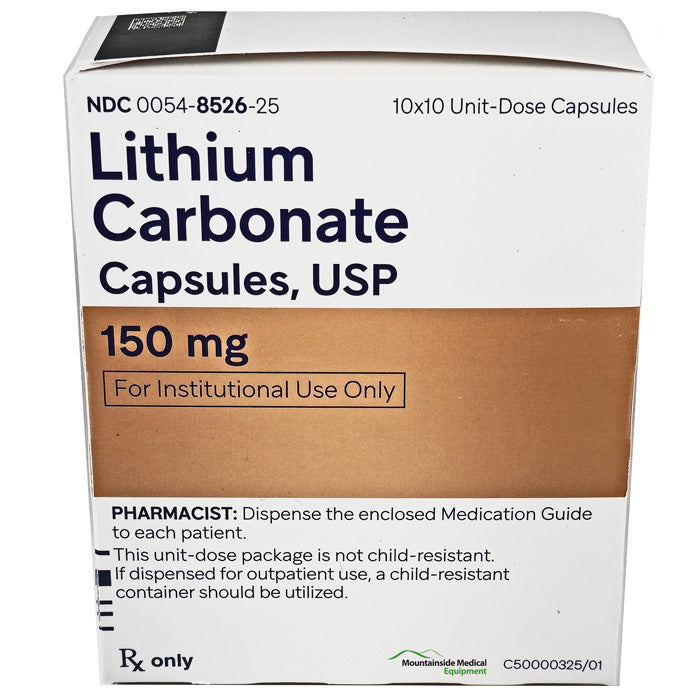
Need a clear understanding of 150 mg lithium capsules? Focus on precise dosage and administration. Always consult your doctor before starting or changing any medication, including lithium.
This dosage is common for managing bipolar disorder and other conditions. However, individual needs vary considerably. Your physician will determine the optimal dose based on your specific health status, other medications, and regular blood tests monitoring lithium levels. Closely following their instructions is critical for safe and effective treatment.
Consistent intake is paramount. Take your capsules as prescribed, at the same time each day, with or without food, as directed by your doctor. Missing doses can disrupt your treatment and lead to mood instability. Report any side effects to your healthcare provider immediately; they may adjust your dosage or prescribe alternative treatments.
Remember, lithium therapy requires ongoing monitoring. Regular blood tests will measure your lithium levels, ensuring they stay within a therapeutic range. This proactive approach helps minimize potential risks and maximize treatment benefits. Your doctor will provide guidance on the frequency of these tests.
Always store your lithium capsules according to the label instructions. Keep them out of reach of children and pets. Improper storage can compromise the medication’s efficacy and safety.
- 150 mg Lithium Capsules: A Comprehensive Guide
- Understanding Lithium Carbonate Capsules: Dosage and Forms
- Potential Benefits and Uses of 150mg Lithium Capsules
- Potential Side Effects and Risks Associated with 150mg Lithium Capsules
- Precautions and Interactions with Other Medications
- Monitoring and Management of Lithium Therapy with 150mg Capsules
150 mg Lithium Capsules: A Comprehensive Guide
Always follow your doctor’s instructions precisely when taking 150 mg lithium capsules. Dosage depends entirely on your individual needs and health condition. Never adjust your dosage without consulting your physician.
Regular blood tests are crucial for monitoring lithium levels in your bloodstream. These tests help ensure the medication is working effectively and safely, preventing both underdosing and potentially dangerous overdosing.
Potential side effects include nausea, diarrhea, tremors, and weight gain. Report any unusual symptoms immediately to your doctor. Early intervention is key to managing side effects effectively.
Store your lithium capsules in a cool, dry place, away from direct sunlight and moisture. Keep them securely out of reach of children and pets.
Lithium interacts with several medications. Inform your doctor and pharmacist about all other medications, supplements, and herbal remedies you are taking to avoid potentially harmful interactions.
Maintaining a consistent daily routine with your lithium medication is essential. Take it at the same time each day to maintain stable blood levels and improve treatment efficacy.
Hydration is particularly important while taking lithium. Drink plenty of water throughout the day to help your kidneys process the medication properly.
Diet plays a role in lithium absorption and excretion. Consult your doctor for specific dietary guidelines related to your lithium treatment.
Long-term lithium treatment requires consistent monitoring and adjustments as needed. Regular check-ups with your doctor are a fundamental part of successful management.
This information should not replace professional medical advice. Always consult your doctor or pharmacist before starting or altering any medication regimen.
Understanding Lithium Carbonate Capsules: Dosage and Forms
Lithium carbonate comes in various capsule sizes, typically ranging from 150mg to 600mg. Your doctor determines the correct dosage based on your individual needs and health condition. Always follow your physician’s instructions precisely.
Dosage adjustments are common. Expect regular blood tests to monitor lithium levels and ensure your dose remains safe and effective. Maintaining consistent lithium levels is key to treatment success.
- Starting Dose: Initial doses are usually low and gradually increased under close medical supervision.
- Maintenance Dose: Once the optimal therapeutic level is achieved, the dosage is usually maintained at a consistent level.
- Blood Tests: Regular blood tests are necessary to monitor lithium levels, avoiding both underdosing and toxicity.
Aside from capsules, lithium is available in other forms, including:
- Tablets: Offer similar efficacy to capsules.
- Oral Solutions: These may be preferred for patients who have difficulty swallowing capsules or tablets.
Remember, never alter your prescribed lithium dosage without consulting your doctor. Doing so can lead to serious health consequences.
Always inform your doctor about all medications you are taking, including over-the-counter drugs and supplements, as interactions are possible. Open communication with your healthcare provider is paramount.
- Report any side effects promptly to your physician.
- Maintain regular communication regarding your treatment.
- Adhere strictly to the prescribed schedule.
Proper lithium management requires active participation and consistent communication with your medical team. Your health is the priority.
Potential Benefits and Uses of 150mg Lithium Capsules
150mg lithium capsules are primarily prescribed for managing bipolar disorder. They help stabilize mood swings, reducing the intensity and frequency of manic and depressive episodes. This allows individuals to experience a more consistent emotional state, improving their overall quality of life.
Beyond bipolar disorder, some studies suggest potential benefits in preventing suicide attempts among high-risk individuals. This protective effect warrants further research, but it represents a significant area of investigation.
Lithium can also be helpful in treating certain types of depression that don’t respond to other antidepressants. It’s often used as an adjunct therapy alongside other medications to enhance their effectiveness.
Finally, research explores lithium’s potential role in managing certain neurological conditions and even certain forms of dementia. However, these applications are less established than its use in bipolar disorder.
Disclaimer: This information is for general knowledge and does not constitute medical advice. Always consult your doctor before starting or changing any medication, including lithium. Proper dosage and monitoring are crucial for safe and effective treatment.
Potential Side Effects and Risks Associated with 150mg Lithium Capsules
Always inform your doctor about all medications you take, including over-the-counter drugs and supplements, before starting lithium. This helps prevent harmful interactions.
Common side effects include nausea, diarrhea, tremors, weight gain, and increased thirst. These usually lessen as your body adjusts to the medication. However, report any persistent or worsening symptoms to your physician immediately.
More serious, though less frequent, side effects involve kidney problems, thyroid issues, and heart rhythm changes. Regular blood tests monitor kidney and thyroid function, mitigating these risks. Your doctor will schedule these tests; adhere to the schedule.
Lithium toxicity is a serious concern. Symptoms include vomiting, diarrhea, confusion, and muscle weakness. Seek immediate medical attention if you experience these. Factors such as dehydration and certain other drugs can increase toxicity risk.
Pregnancy and breastfeeding require special consideration. Discuss the risks and benefits of lithium use with your doctor if you are pregnant, planning pregnancy, or breastfeeding. Lithium can affect both you and your child.
Interactions with other medications can be significant. Examples include diuretics, NSAIDs, and some antidepressants. Your physician will help manage potential interactions, but complete transparency about all medications is vital.
This information is not exhaustive. Your doctor can provide personalized advice about risks and benefits based on your specific health condition and medical history. Regular check-ups are critical to ensure safe and effective lithium therapy.
Precautions and Interactions with Other Medications
Always inform your doctor about all medications you are taking, including over-the-counter drugs, supplements, and herbal remedies. Lithium can interact with many drugs, potentially altering their effectiveness or increasing the risk of side effects.
Diuretics (water pills): These can increase lithium levels in your blood, raising the risk of toxicity. Your doctor may need to adjust your lithium dose if you are using diuretics.
Nonsteroidal anti-inflammatory drugs (NSAIDs): Drugs like ibuprofen and naproxen can also increase lithium levels. Close monitoring is necessary if you need to use NSAIDs while on lithium.
ACE inhibitors and Angiotensin II receptor blockers (ARBs): These medications, often prescribed for high blood pressure, may increase your risk of lithium toxicity. Discuss this interaction with your physician.
Metformin: This common diabetes medication can interact with lithium. Regular blood tests are recommended to monitor lithium levels if you take both.
Antipsychotics: Some antipsychotic medications can increase the risk of side effects when taken with lithium. Close monitoring is essential in such cases.
Regular blood tests are crucial to monitor your lithium levels and ensure they remain within the therapeutic range. Report any new or worsening symptoms to your doctor immediately. This includes tremors, nausea, vomiting, diarrhea, confusion, or muscle weakness. These could be signs of lithium toxicity.
Monitoring and Management of Lithium Therapy with 150mg Capsules
Regular blood tests are key. Aim for lithium level checks every 1-3 months after initial stabilization, adjusting frequency based on stability and any changes in your health or medication. Target therapeutic lithium levels generally range from 0.6 to 1.2 mEq/L. Levels outside this range require dose adjustments.
Monitor for side effects. Common issues include nausea, diarrhea, tremor, weight gain, and fatigue. Report any concerning symptoms to your doctor immediately. Early intervention often minimizes problems.
Maintain consistent fluid intake. Hydration significantly influences lithium levels. Avoid excessive caffeine and alcohol, which can impact lithium absorption and excretion.
Regularly review your medication with your doctor. Lifestyle changes, other medications, and underlying health conditions can affect lithium’s efficacy and safety. Open communication is paramount.
| Monitoring Parameter | Frequency | Action |
|---|---|---|
| Lithium Blood Level | Every 1-3 months (or as directed by physician) | Adjust dosage as needed to maintain therapeutic range. |
| Weight | Monthly | Monitor for weight gain and discuss lifestyle modifications with your doctor. |
| Kidney Function (Creatinine, BUN) | Annually, or more often if kidney issues exist | Lithium is excreted by the kidneys; regular checks prevent accumulation. |
| Thyroid Function (TSH) | Annually, or more frequently if indicated | Lithium can interfere with thyroid function. |
Report any significant changes in your mental health promptly. Lithium’s effectiveness depends on consistent treatment and close monitoring of your symptoms. Your doctor will help you adjust your treatment accordingly.
Remember: This information is for general guidance only and doesn’t replace professional medical advice. Always consult your doctor or psychiatrist before starting, stopping, or altering any medication.